
Practical knowledge for your plants
Plant nutrition: understand demand and feed appropriately
Plants need nutrients, but feeding cannot be separated from light, water and roots. Learn to read product information and make a considered feeding decision.
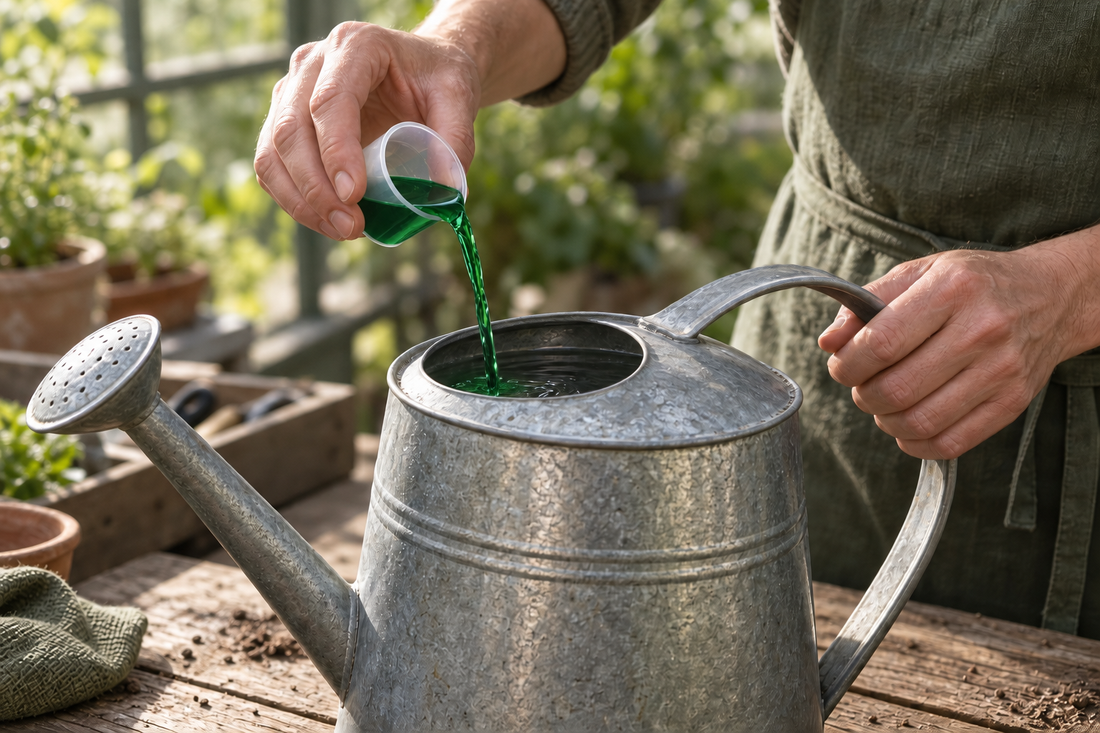
- Demand
- Consider species, growth and growing method
- Product
- Read composition alongside instructions
- Dose
- Measure or weigh amounts to suit the product
Start with how the plant is growing
A rapidly growing tomato, a recently repotted olive and a resting container plant are in different situations. Consider species, season and the nutrients already present in the growing medium. Fertiliser supplies nutrients; it cannot replace adequate light or healthy roots. If growth stalls, first check whether the position and watering suit the plant.
Read NPK without expecting a magic formula
On these fertiliser declarations, NPK refers to nitrogen and the stated phosphate and potassium oxide contents. Other nutrients and their forms may also be listed. The numbers alone do not tell you how much an individual plant needs. Dilution, application method and growing conditions matter too, so the largest NPK figures are not a sufficient comparison.
Apply the right fertiliser form
Read the instructions for the actual pack. Dilute liquid fertiliser with the stated amount of water; weigh, distribute and incorporate solid fertilisers as directed for that product. Even similar products may need different amounts. Foliar and root applications are not freely interchangeable. If you care for several plants, record which product you used and when.
Distinguish compost, repotting and soilless growing
Pre-fertilised compost already contains nutrients. When feeding resumes depends on its declaration and plant growth. Mineral hydroculture supplies nutrients through a differently arranged system, so instructions for compost-grown plants cannot be transferred unchecked. The pH of the fertiliser product is also not automatically the pH of your soil or the diluted watering solution.
Avoid confusing deficiency and excess
Leaf discolouration has several possible causes. Check which leaves are affected, how wet the root ball is and whether roots look healthy. Excess dissolved salts can interfere with water uptake. For recurring garden problems, a soil analysis may be more informative than further fertiliser experiments. Address an identified cause and then assess the new growth.
Frequently asked questions
Does a freshly repotted plant need extra feed straight away?
Not automatically. Check the compost's existing nutrient charge and the plant's needs. Pairing a compost and fertiliser does not mean both should be applied on the same day.
Can I mix several fertilisers together?
Only when the specific combination and application are suitable. Nutrient amounts add up; displaying products together does not establish mixing compatibility.
Products for this project
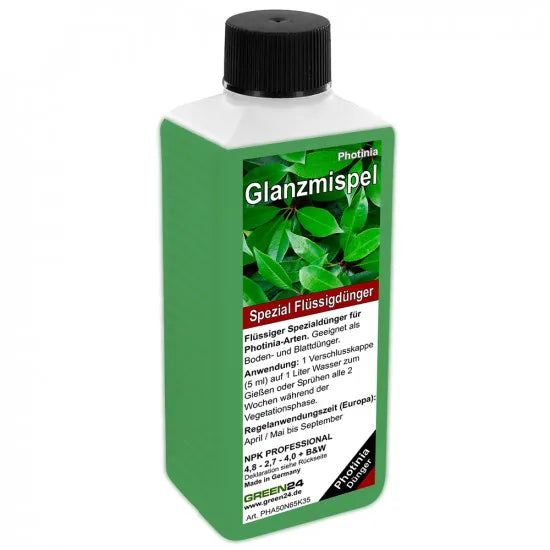
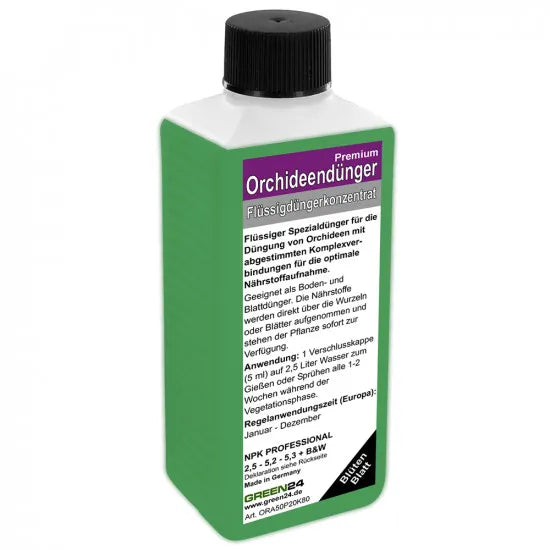
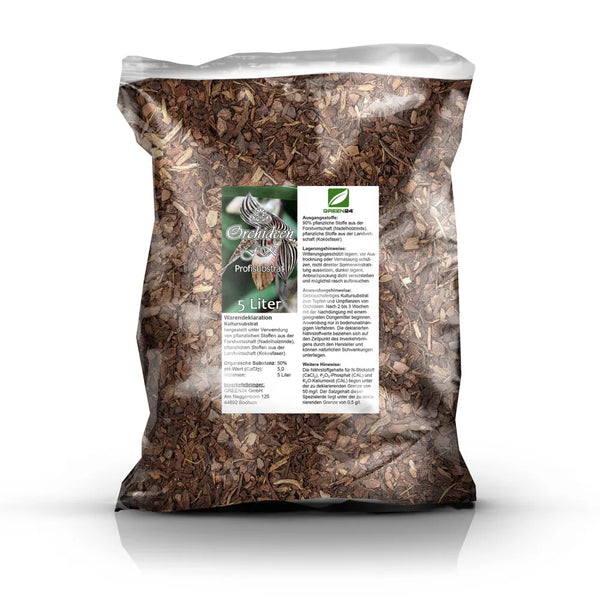
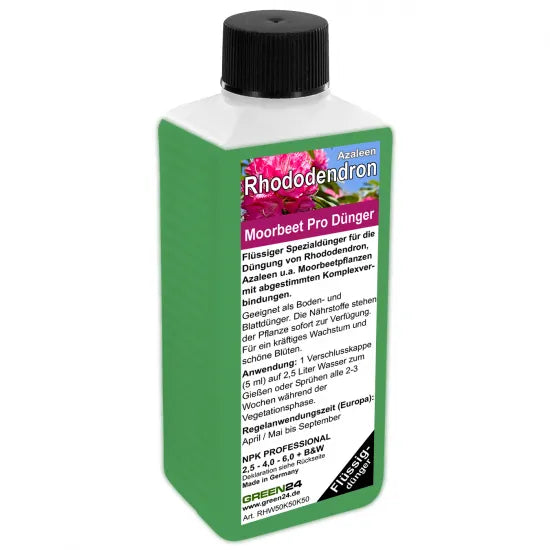
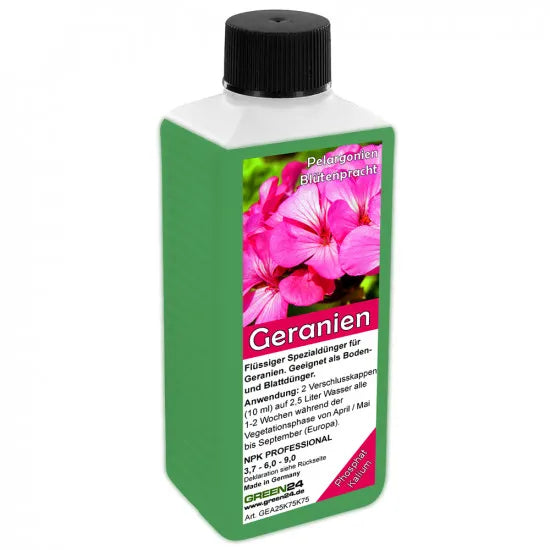
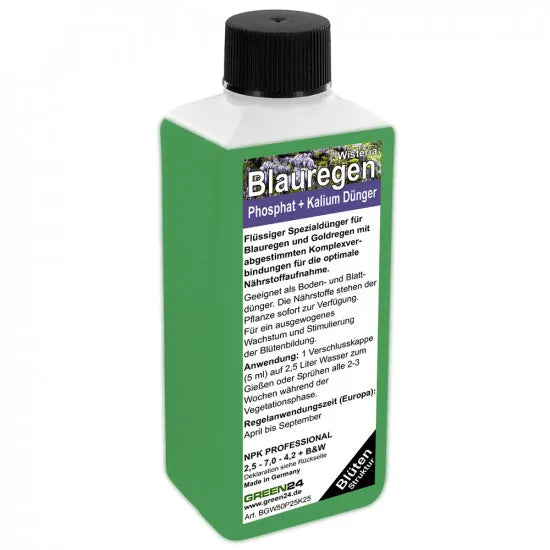
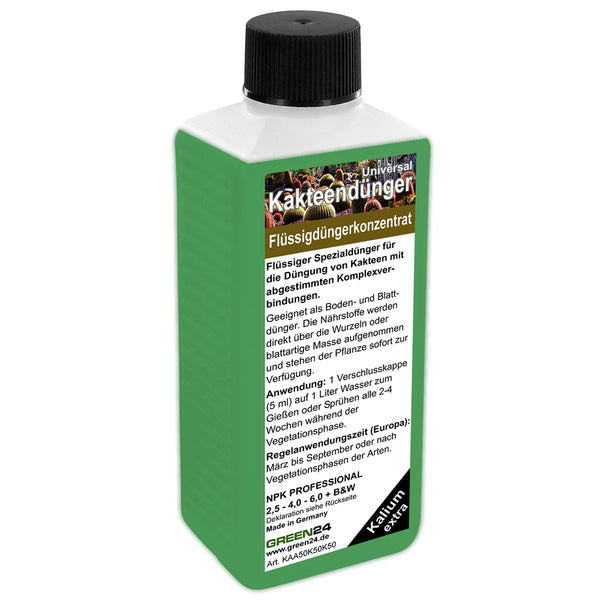
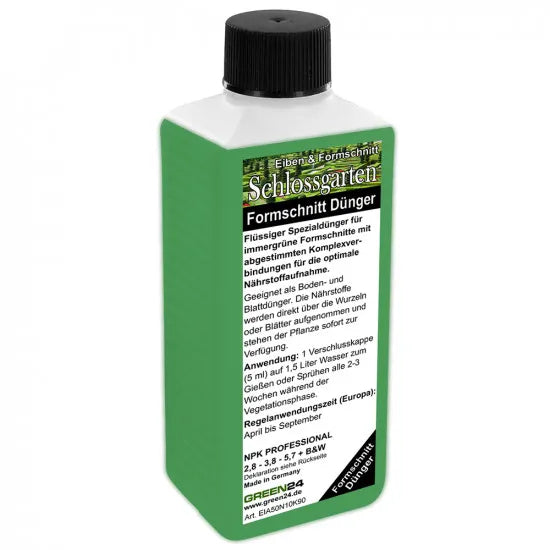
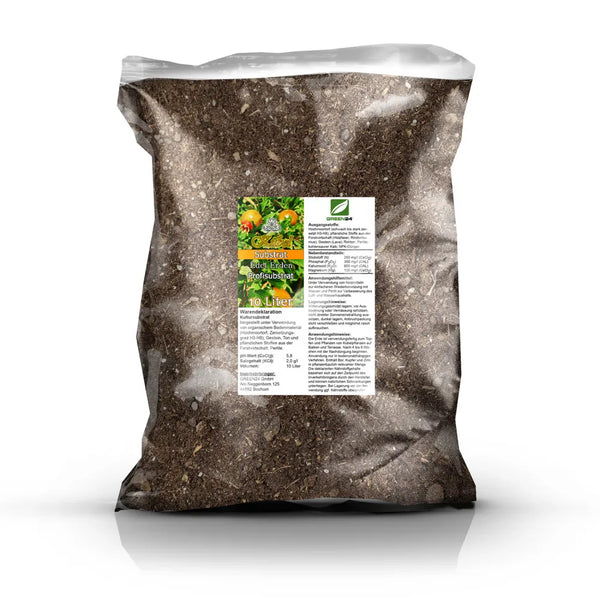
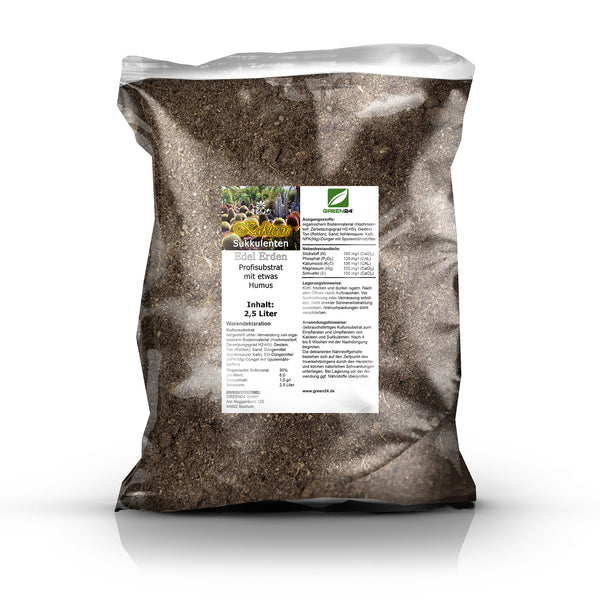
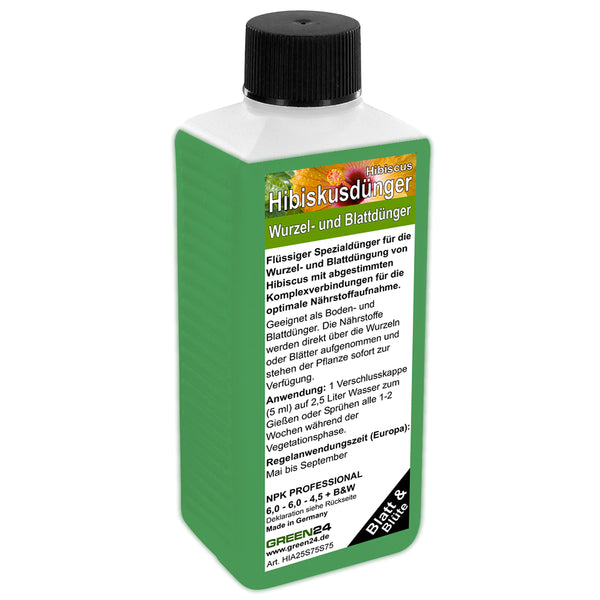
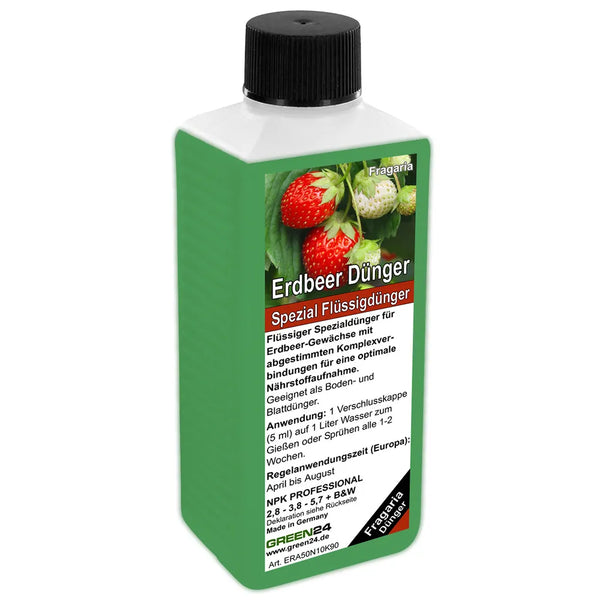
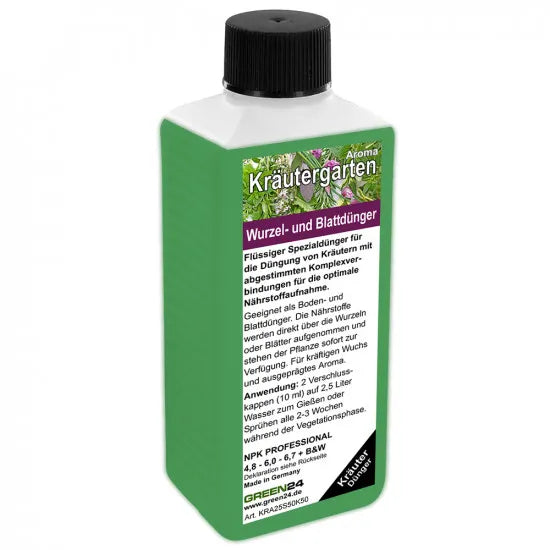
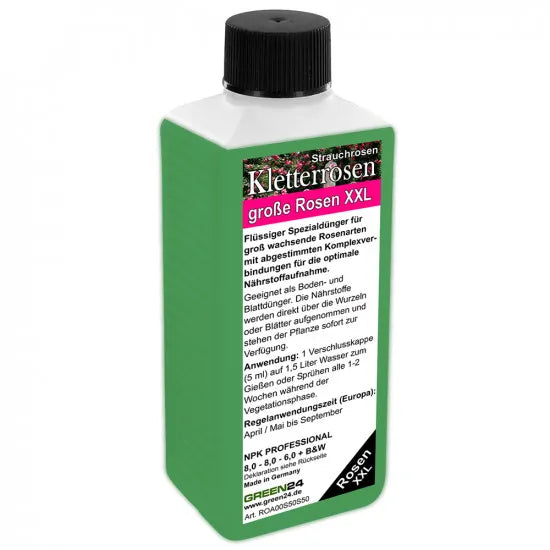
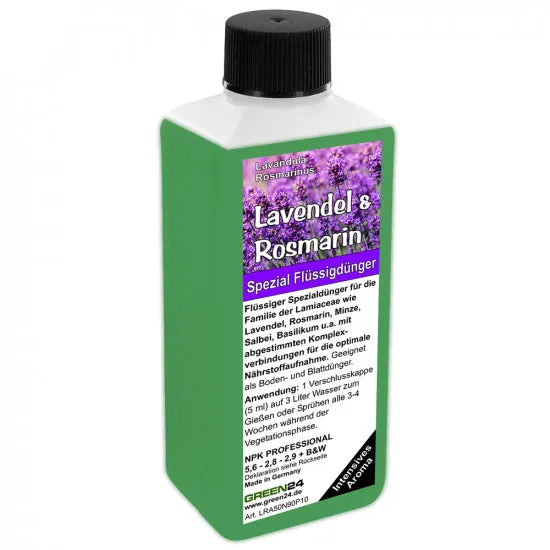
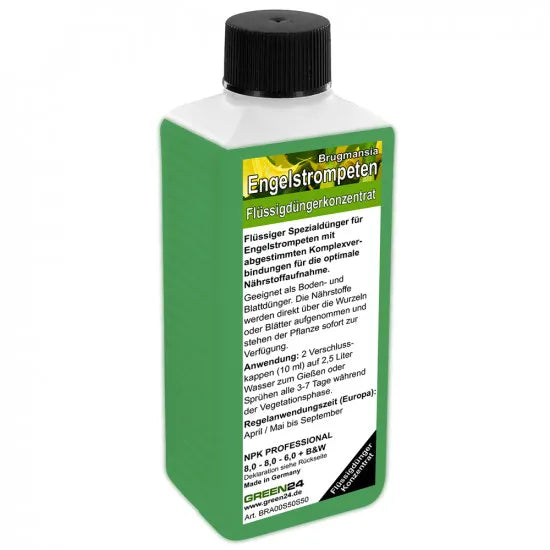
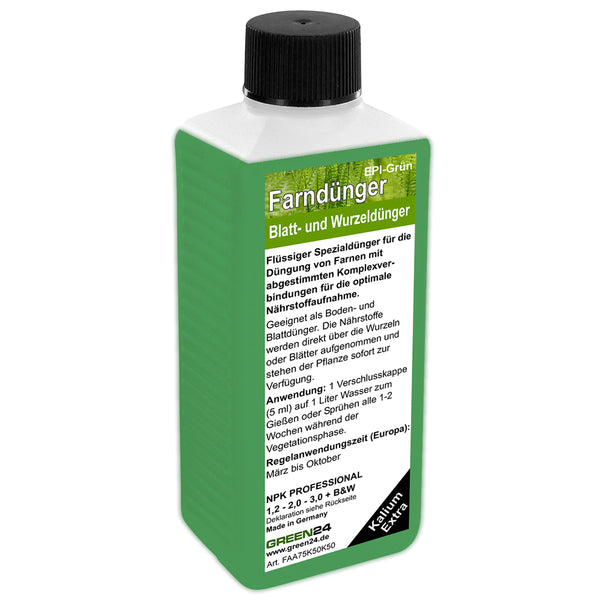
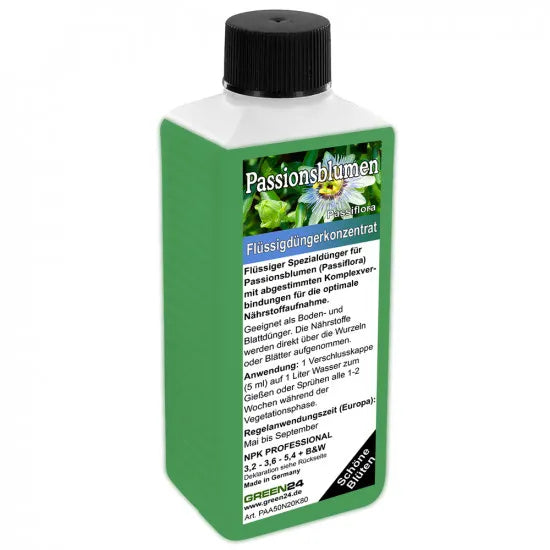
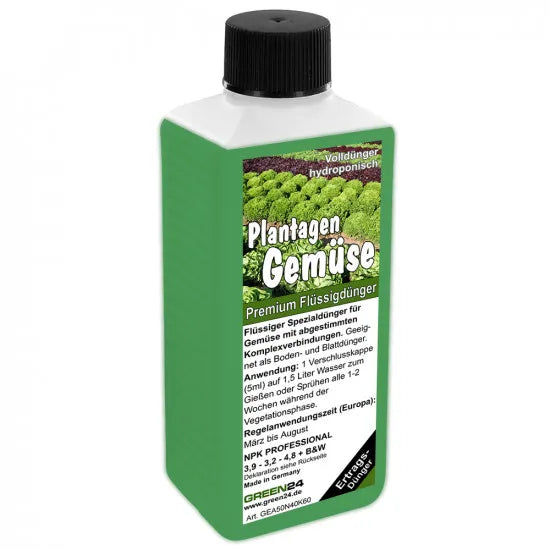
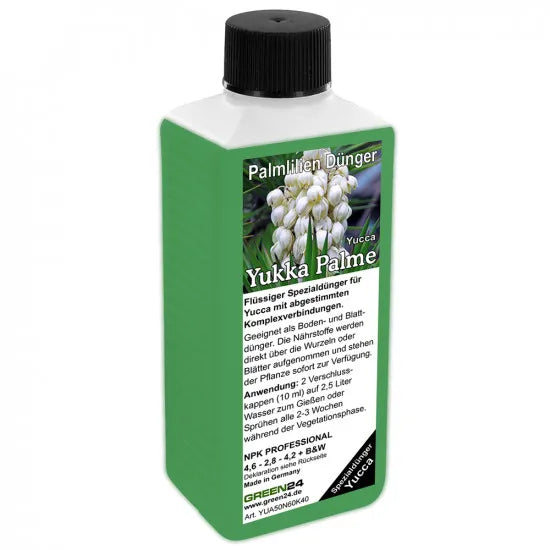
Equipment for the tasks described here. Each product page explains its intended use and application.
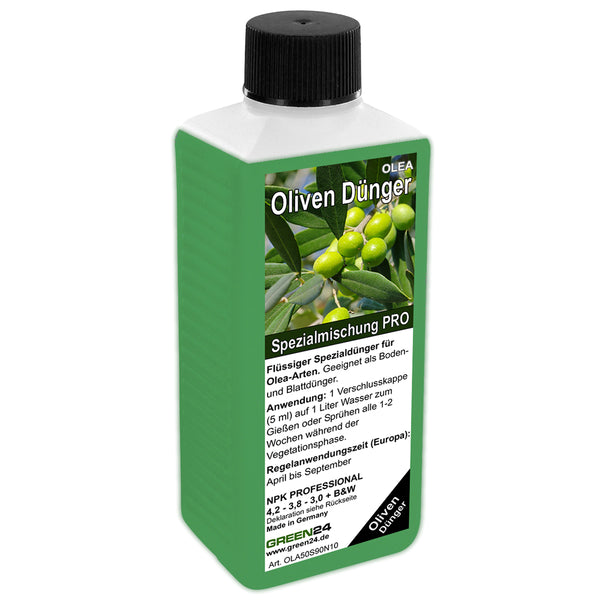
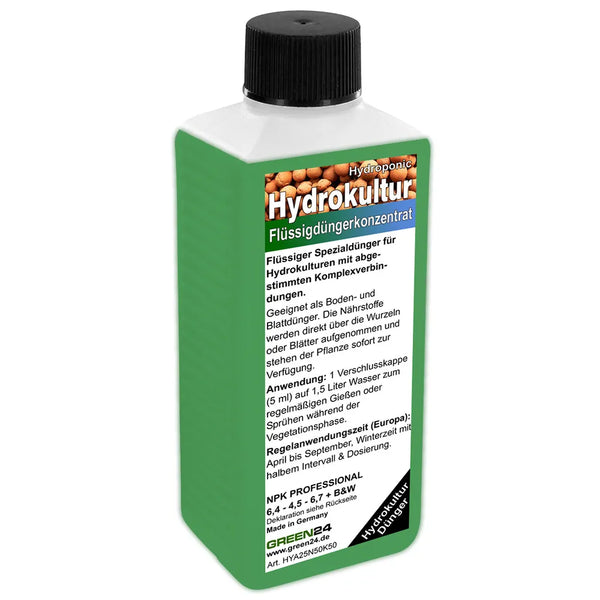
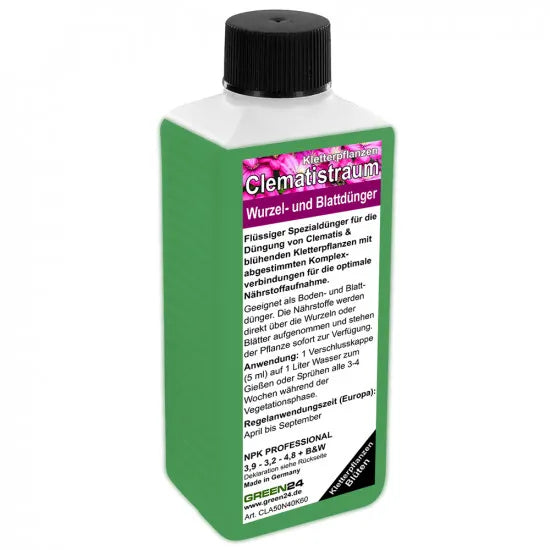

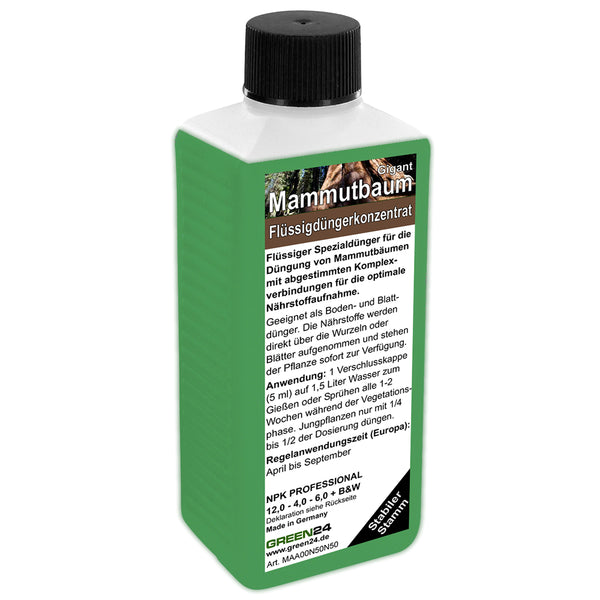
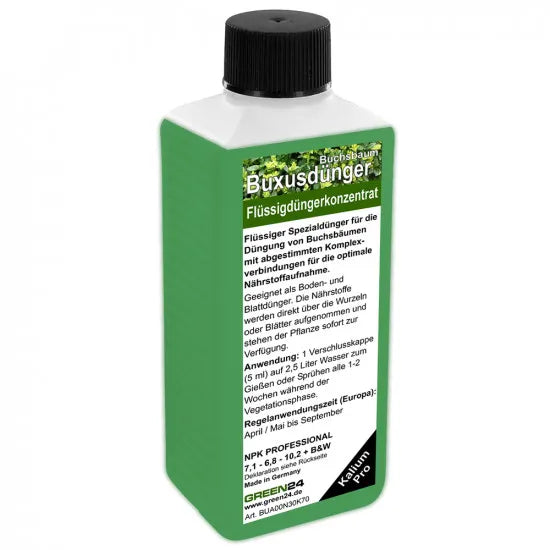
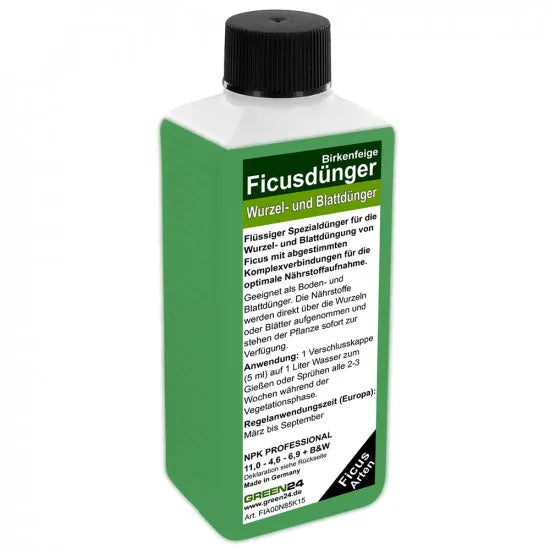
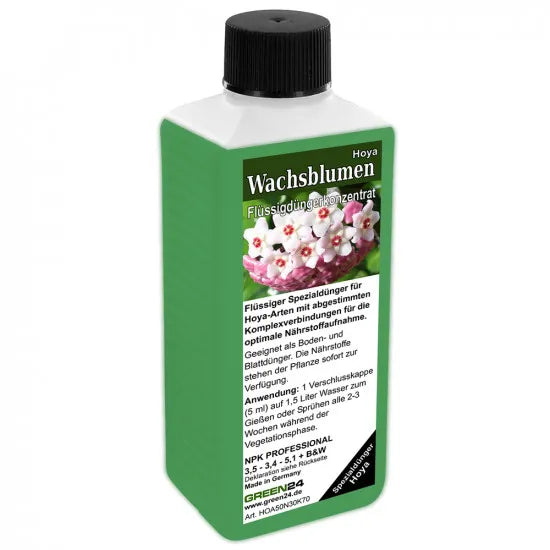

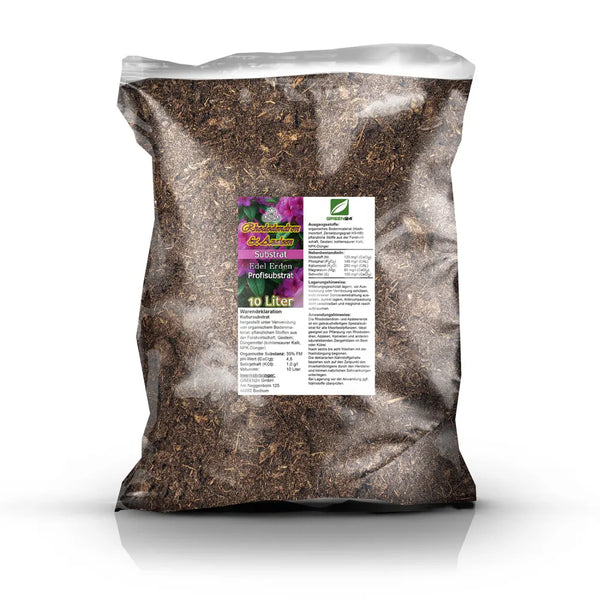
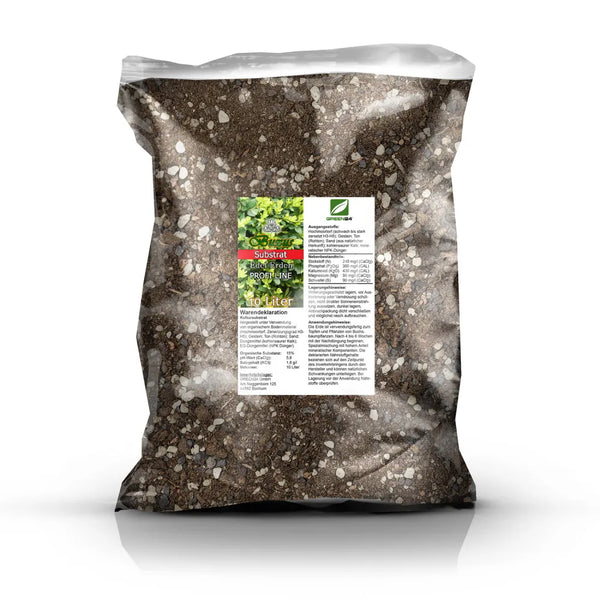
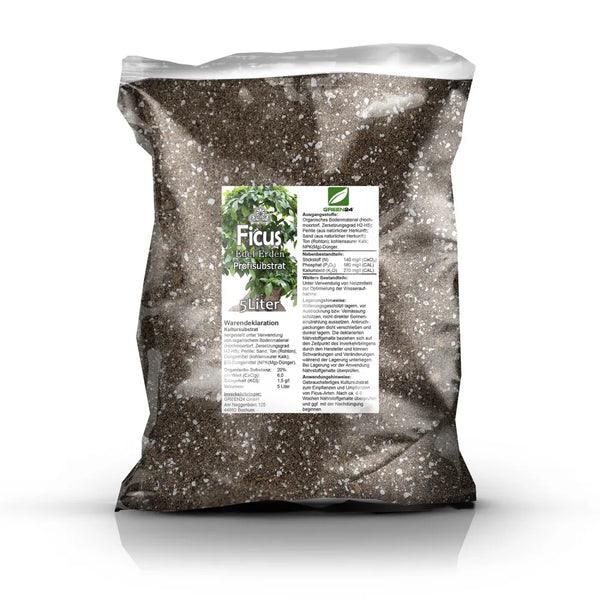
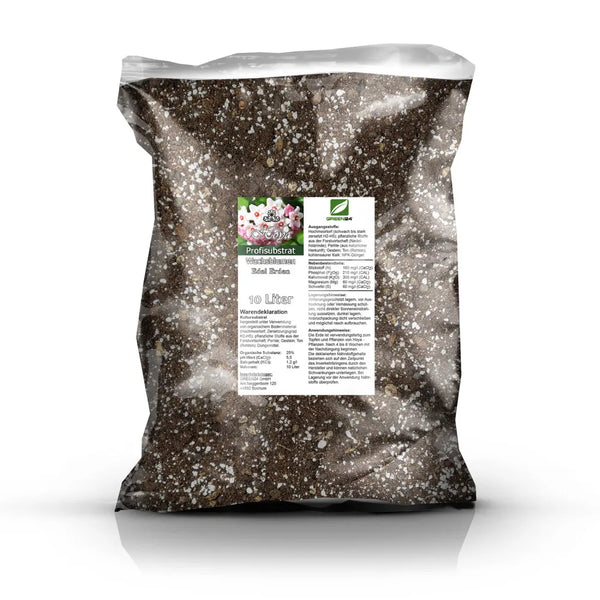

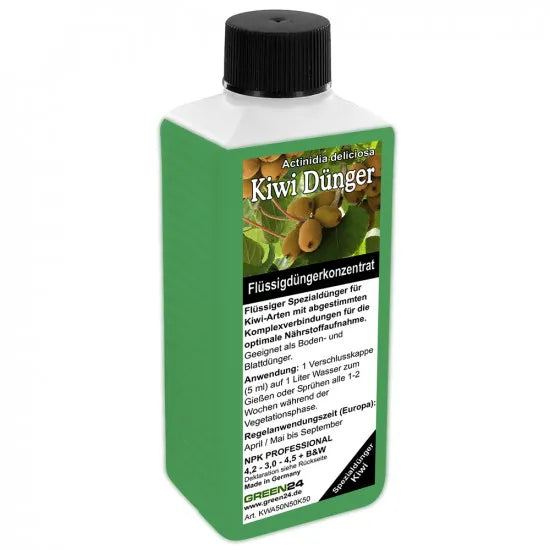
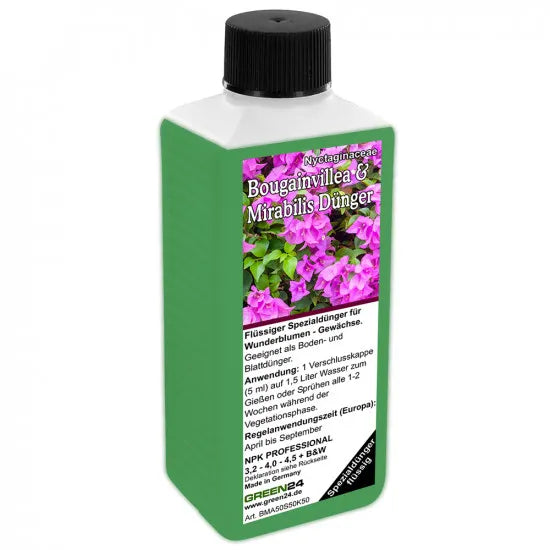
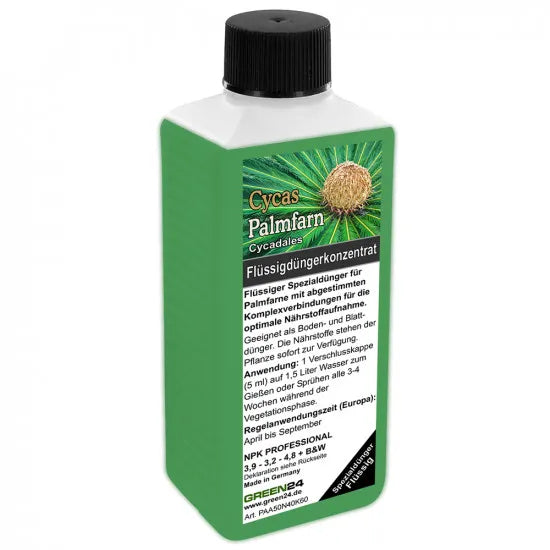
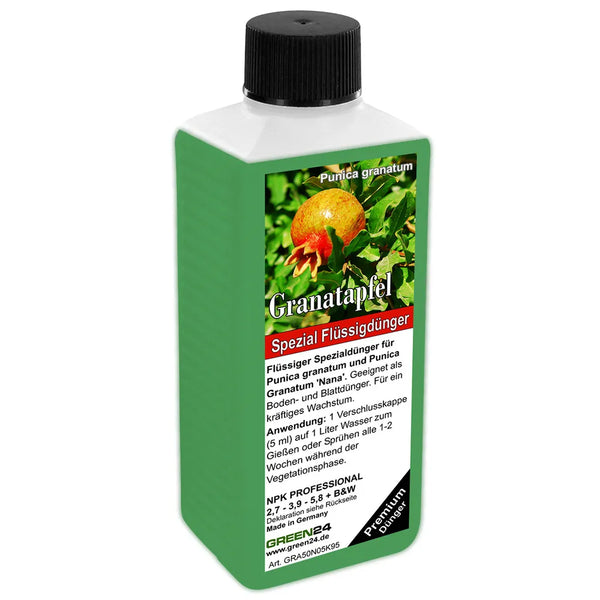
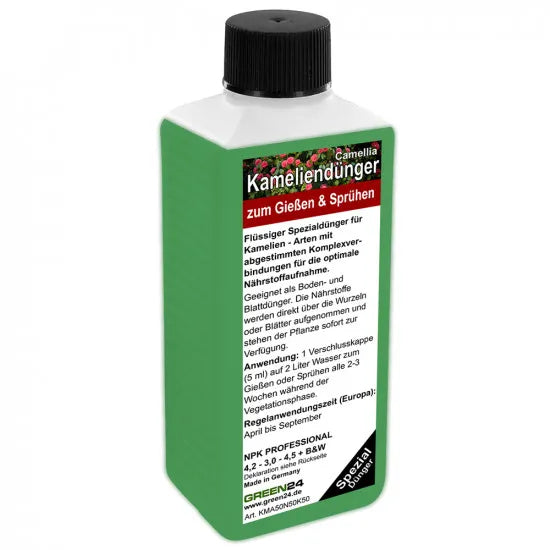
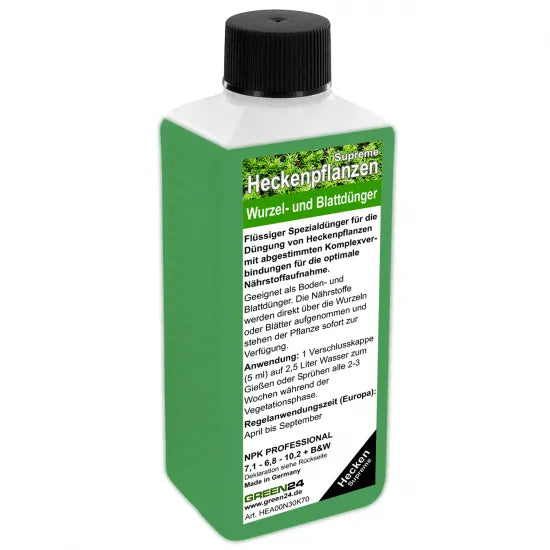
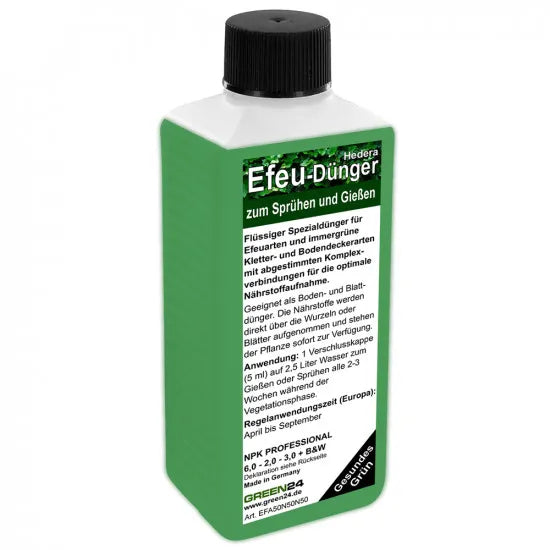
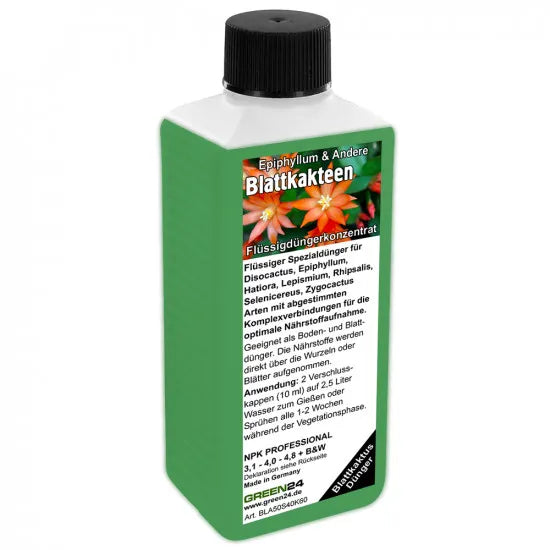
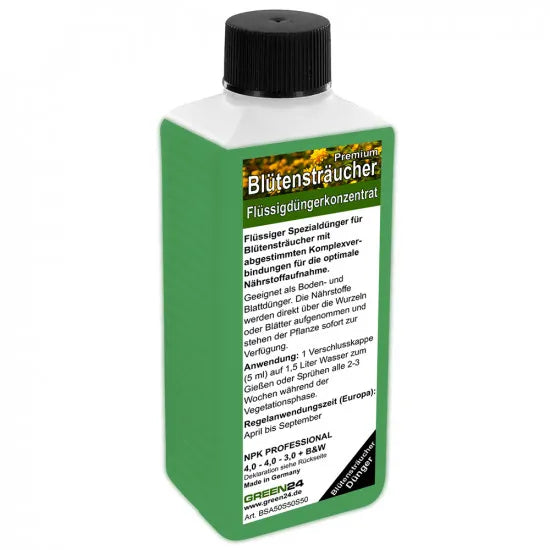
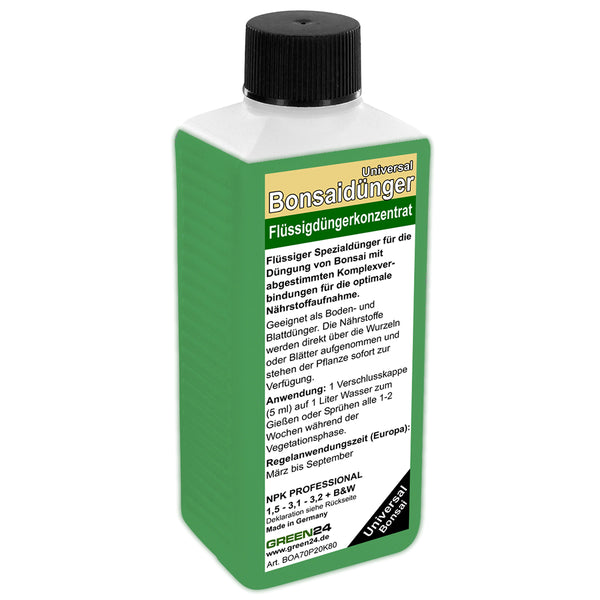
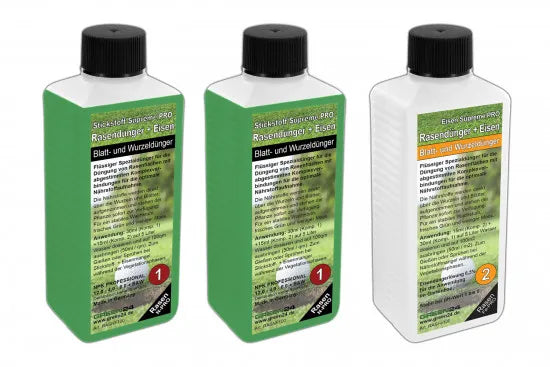
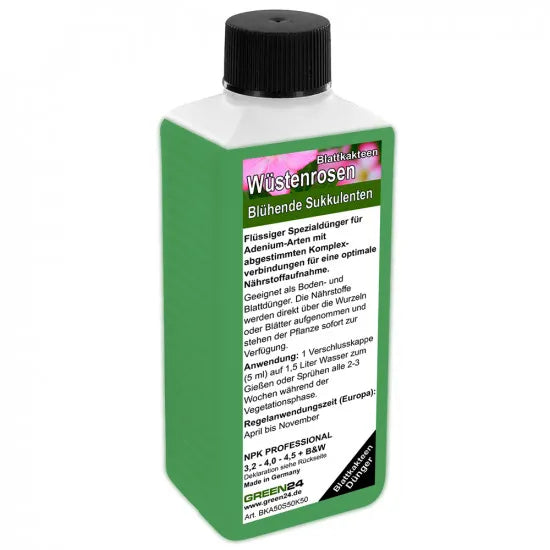
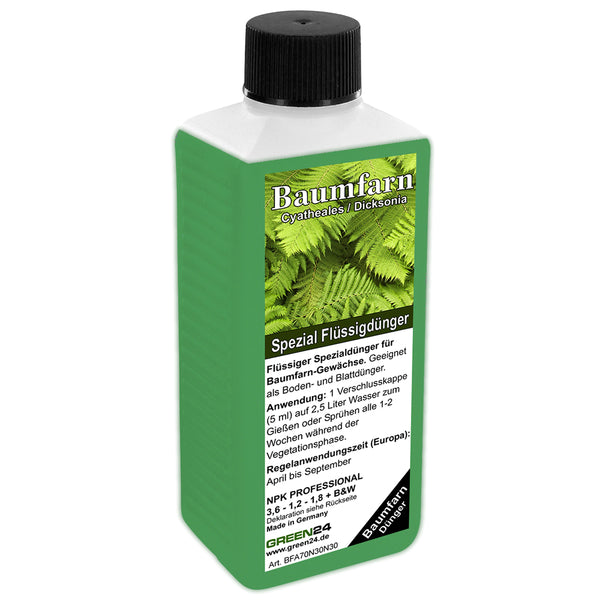
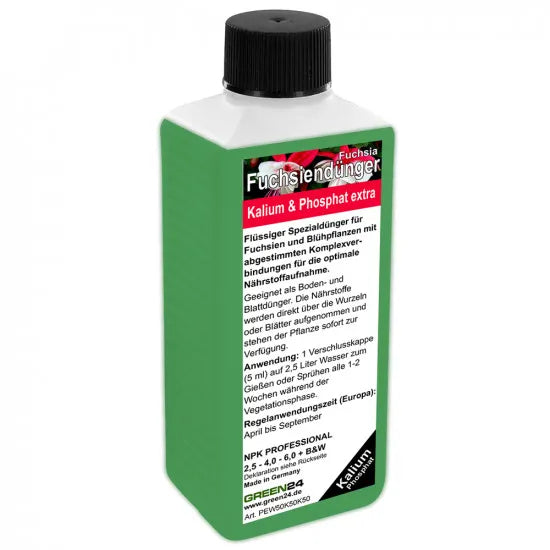
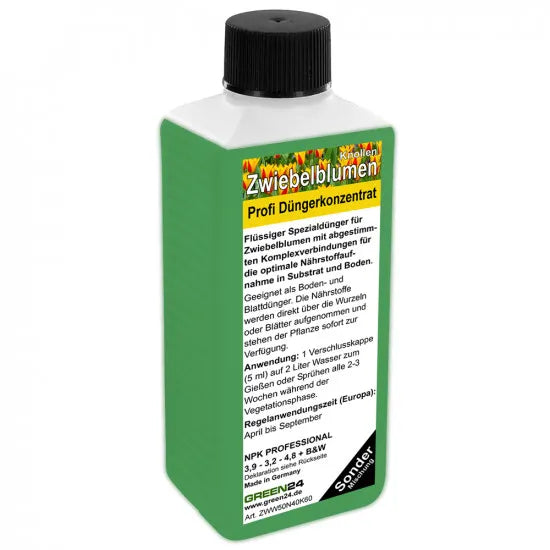
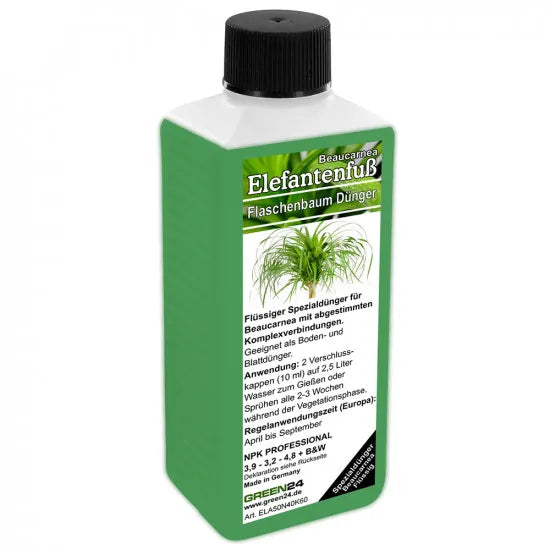
Related plants in the catalogue
Keep exploring

Growing from seed: a good start for young plants
A small sowing project lets you watch plants develop. Match timing, light, moisture and the next pot to the seedlings you want to grow.
Read the guideHydroculture: houseplants in mineral growing media
A water-level indicator, inner pot and clay medium work differently from an ordinary pot of compost. Understand the system before topping it up.
Read the guideUnderstanding hydroponics: DWC, NFT and other systems
Growing without soil means more than standing plants in water. Roots need nutrients and oxygen. Your chosen system determines how they receive them.
Read the guide
Plant protection: identify the problem, then act
Spots, wilting shoots and yellow leaves are observations, not yet a diagnosis. A clear sequence helps you investigate causes and choose suitable action.
Read the guide
Liebig’s law of the minimum
When a plant barely grows, more fertiliser is rarely the best first response. The law of the minimum focuses attention on what is lacking relative to demand.
Read the guide