


Schädlings-Frei-Organic
€16,95
For spraying or watering, depending on the authorised use. The method depends on the plant, pest and location.
View product in our shop →

Fruit Tree & Berry Bush Fertiliser XL
Liquid NPK concentrate for fruit trees and berry bushes
With its own declared trace-nutrient values.
Every 1–2 weeks during active growth.
Follow this pack’s own instructions.
Account for growth and existing nutrients.
Never use undiluted; follow this pack’s instructions.
2 capfuls per 2.5 litres of water. Apply every 1–2 weeks during active growth. Measure with the cap supplied on this original pack; no millilitre amount or yield is inferred from it.
Distribute diluted solution in the pre-moistened root zone. Account for drainage and previous nutrient applications.
The declaration mentions foliar feeding. The front explicitly gives a watering dose; a separate spray concentration has not been verified.
2 capfuls per 2.5 litres of water. Apply every 1–2 weeks during active growth. Measure with the cap supplied on this original pack; no millilitre amount or yield is inferred from it.
Distribute diluted solution in the pre-moistened root zone. Account for drainage and previous nutrient applications.
The declaration mentions foliar feeding. The front explicitly gives a watering dose; a separate spray concentration has not been verified.
Please follow the product-specific information on the label and in the full description.
The general information sheet describes liquid fertilizer concentrates. Ready-to-use and solid fertilizers have their own application instructions on the product label.
For feeding fruit trees and berry bushes. This XL pack has its own declaration.
Net mass excludes the packaging. The twin-pack total is calculated from two individual bottles.
Declared product pH: 6.8. This is not a guaranteed pH for soil or diluted solution.
Using products as part of the same care routine is different from mixing them in one container. Follow the labels and application instructions of all products involved.
The recommendations cover products for different care tasks. Combining them in the same solution requires the instructions for both products to allow that combination. Otherwise, apply the products separately.
Selected additions for your plant care.

For suitable fruit and nut trees. Account for existing nutrients; blueberries need a dedicated acidic compost.

For handling growing medium when planting and repotting.

For collecting removed plant material and tidying up.


PRODUCT KNOWLEDGE
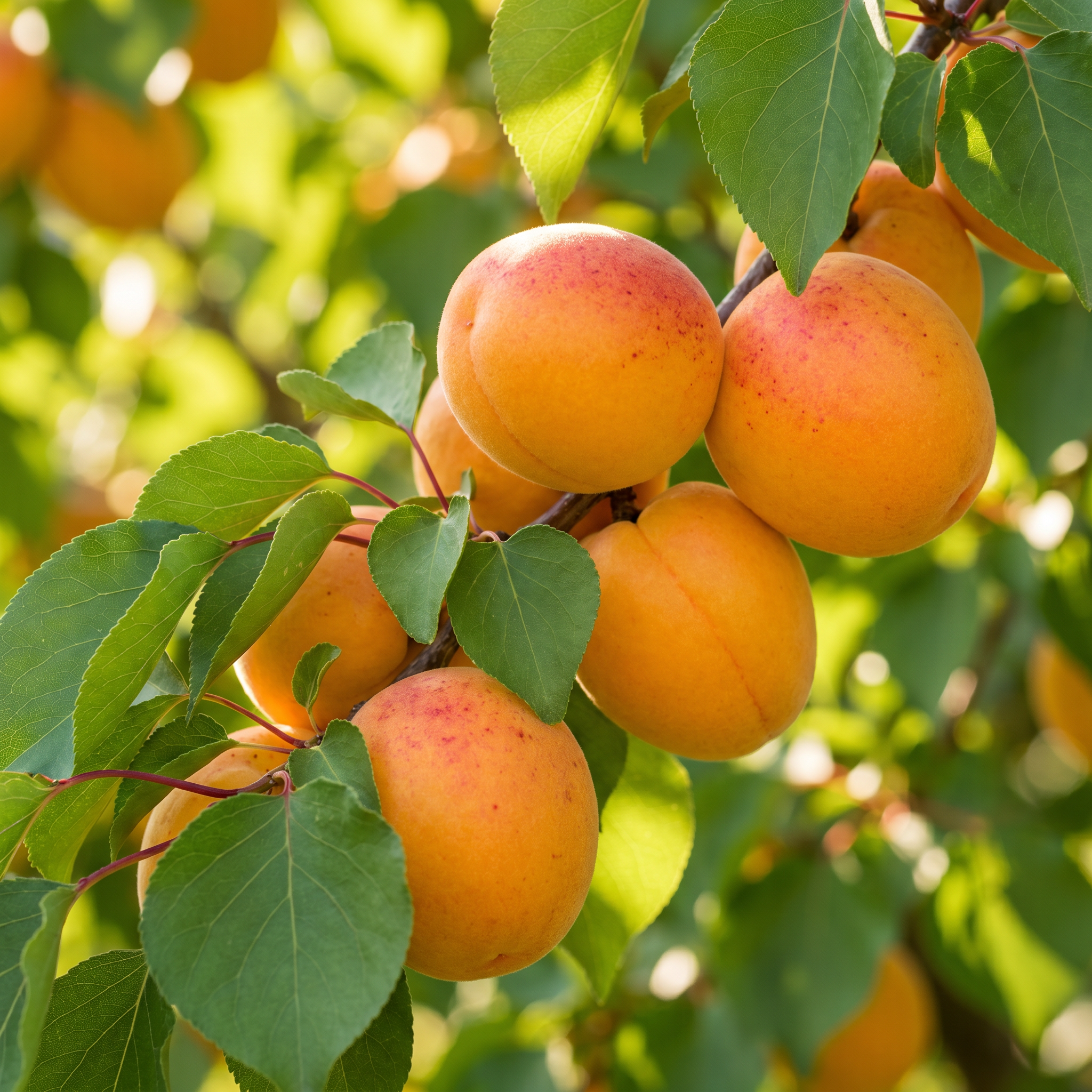
Apricots are one example of stone fruit; apples, currants and raspberries have other flowering and harvest seasons. Observe your plant through the year and supplement nutrients to match its existing supply.
Fruit trees and berry bushes share the promise of a harvest, but not every care instruction. Fertiliser supplements nutrients; position, water, compatible pollination and suitable pruning remain separate tasks.

2 capfuls per 2.5 litres of water. Apply every 1–2 weeks during active growth. Measure with the cap supplied on this original pack; no millilitre amount or yield is inferred from it.

Prepare a clean watering can and the cap supplied on this original litre pack. Read the bottle directions before mixing.

For 2.5 litres of water, the XL front label specifies two capfuls. Use the supplied cap; do not estimate an unverified millilitre capacity.

Put part of the intended water volume into the watering can. Prepare the final mixture using the selected 2.5 litres of water.

Shake the bottle before use and measure two capfuls using its original cap. Do not apply the concentrate undiluted.

Pour the measured concentrate into the water already in the can. Clean up any spills and close the original bottle again.

Add the remaining intended water volume and mix evenly. Apply to the pre-moistened root zone; the front label specifies every 1–2 weeks during active growth.
Prepare only the amount needed. Clean equipment and an evenly mixed solution are part of correct application; the product information gives this pack’s label rate.

Moisten the root zone before feeding. The product declaration also mentions foliar feeding; both routes count towards one nutrient supply. Follow this pack’s directions for spraying rather than adding an automatic second full dose.
Moisten the root zone before feeding. The product declaration also mentions foliar feeding; both routes count towards one nutrient supply. Follow this pack’s directions for spraying rather than adding an automatic second full dose.
Assess yellowing leaves, feeding damage and damaged fruit separately. Check which plant parts are affected and when the change began.
For advice, provide the exact fruit species, photographs of crown, leaves and fruit, and details of weather, soil moisture and previous applications.
General manufacturer information: these products have not been selected here as suitable treatments for the plant shown here. Before use, check the plant species, pest, application site and current instructions.


Use plant protection products safely. Always read the label and product information before use.
Growing fruit starts with selection: plan space, ripening season, pollination and access for harvesting together. A tree bought small stays small only with suitable rootstock and training.
Usually a sunny, airy position with sufficient rooting space and drainage. Currants also tolerate partial shade. Avoid frost pockets; blueberries require a separate acidic root environment.
Check new plantings and containers regularly. Water thoroughly when needed, allow drainage and check soil beneath mulch. Pay particular attention during fruit development and dry spells.
Plant bare-root stock while dormant in frost-free ground. For containers, assess root development, stability and drainage. Choose acidic compost for blueberries and account for graft unions when planting.
There is no shared pruning month: maintain free-standing apples and pears mainly in winter, stone fruit in spring or summer. For berries, the age of fruiting shoots also determines the method.
Hardy garden species remain outdoors; protect container roots from severe freezing. Later, open flowers are often more sensitive than dormant wood, so watch forecasts and local late frost.
2 capfuls per 2.5 litres of water. Apply every 1–2 weeks during active growth. The cap belongs to the original litre pack; no millilitre volume is calculated from that cap instruction.
The main NPK figures match, but the original declarations differ for manganese, zinc and the storage limit. The 250 ml and XL products therefore remain separate articles with their own instructions.
The XL label specifies capfuls without a verified millilitre capacity. We therefore give no calculated litre yield for this pack.
Inadequate pollination, blossom frost, unsuitable pruning or drought can limit fruit set. Investigate first. An extra feed does not replace identifying the cause.
Fruit Plant Compost already contains nutrients. Its label calls for supplementary feeding to begin after 4–6 weeks. Account for growth and existing nutrient supply.
Not automatically: blueberries require acidic rooting conditions. Choose a suitable acidic compost for them; the linked Fruit Plant Compost is an option for suitable other fruit and nut trees.
SDS – Safety data sheet available on request.
Dry and dark · above 6°C to no more than 38°C
Store dry and dark above 6°C and at no more than 38°C. Keep out of reach of children and animals.
More products to compare and discover.

Alternative pack size as a separate product: follow its own declaration and dilution directions.