
Practical knowledge for your plants
Pruning plants: a clear purpose and the right timing
Good pruning starts by looking at the whole plant. Learn the key decisions, then use the plant profile for species-specific timing and technique.
- Purpose
- Training, maintenance or selective renewal
- Cut
- Species-specific, using the right tool
- Check
- Assess first, then cut in stages
What should the pruning achieve?
Are you removing a damaged shoot, developing a crown or keeping a plant within its space? Set a clear purpose and look at its natural habit. A shrub, perennial and tree do not share one pruning pattern. Also consider whether existing shoots already carry flower buds for the coming season before shortening them.
Let the species guide the timing
Spring-flowering plants may form flowers on the previous year's growth, while other species flower on new shoots. A blanket spring cut can therefore remove the display you wanted. Appropriate timing also depends on pruning severity, weather and plant health. Use the individual plant profile and check for animals and occupied nests before substantial work.
Plan a few deliberate cuts
Start with damaged or dead material you can identify confidently. Then assess shoots that rub, obstruct or grow in an unsuitable direction. On a complex plant, mark your intended selection first. Step back after a few cuts to review the structure. This keeps the work deliberate instead of allowing each cut to prompt another unnecessary removal.
Match the cut and the tool
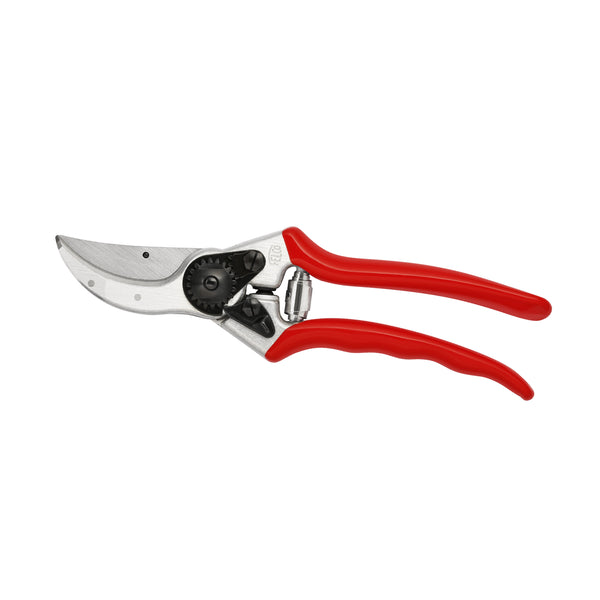
Use sharp, appropriate tools within their cutting capacity. When shortening many woody shoots, select a suitable bud or lateral shoot to guide the cut. When removing a branch, preserve the branch collar rather than cutting flush into the trunk. Heavy limbs, work at height or uncertain tree problems are good reasons to involve a qualified professional.
Watch how the plant responds
Remove loose clippings and clean the tool. Check subsequent growth and the cut area without repeatedly recutting it. Water and nutrients should follow actual demand; pruning does not automatically require heavier feeding. For suitable species, a major reshaping project benefits from a considered plan rather than being forced into one session.
Frequently asked questions
Should I cut every plant back in spring?
No. Flowering pattern, growth habit and pruning tolerance vary. Check the species before removing flowering wood or cutting into areas that may not regenerate.
Can I make a large plant smaller by cutting off its top?
Indiscriminate topping can damage structure and stability. Consider selective reduction, species-appropriate options or a position better suited to the plant.
Products for this project
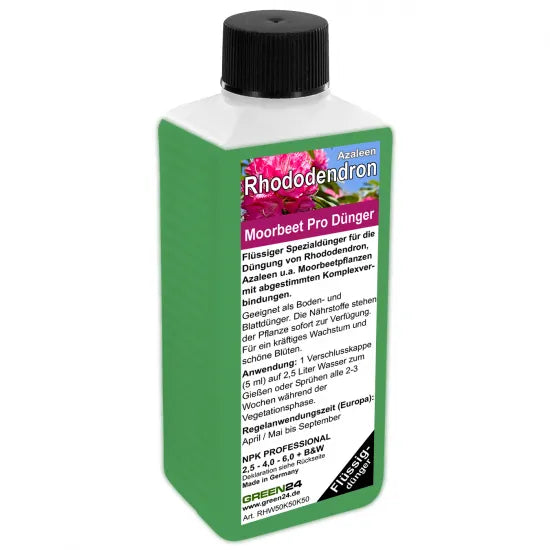
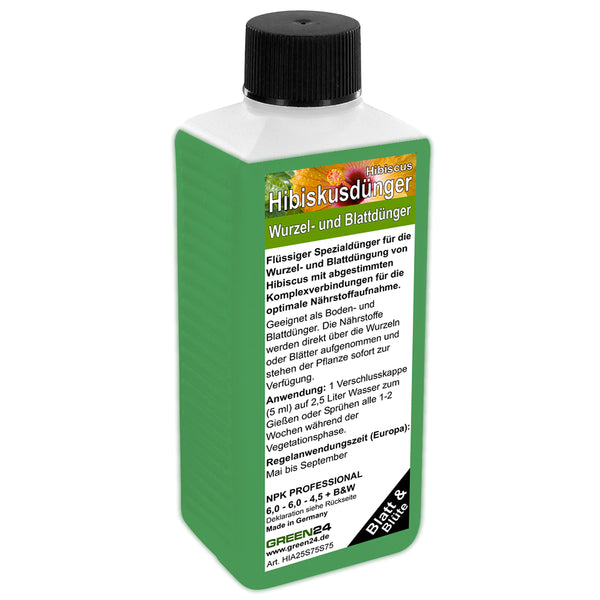
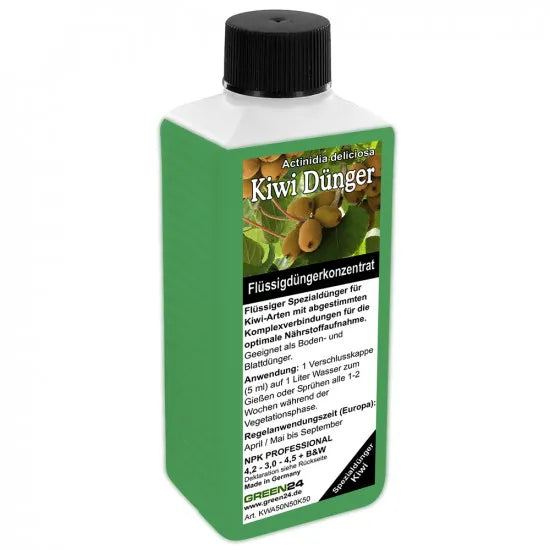
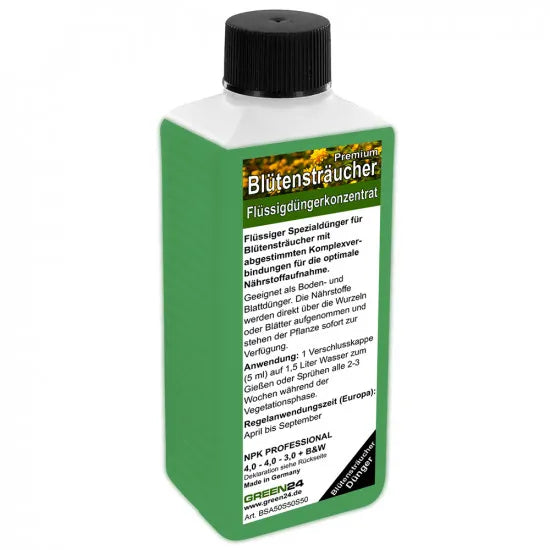
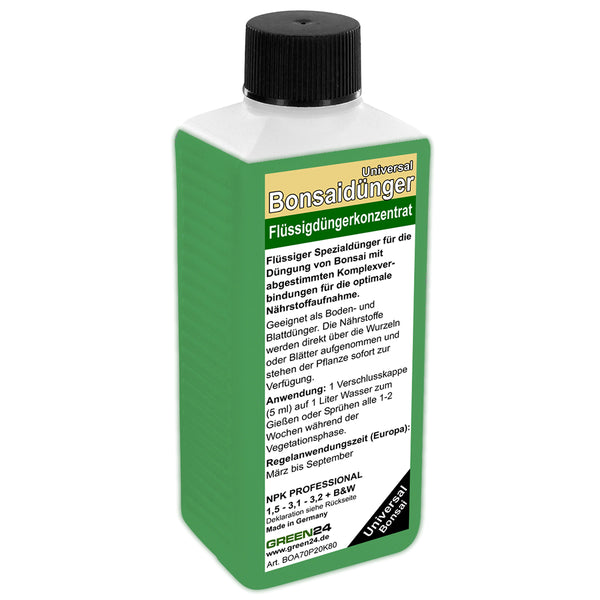
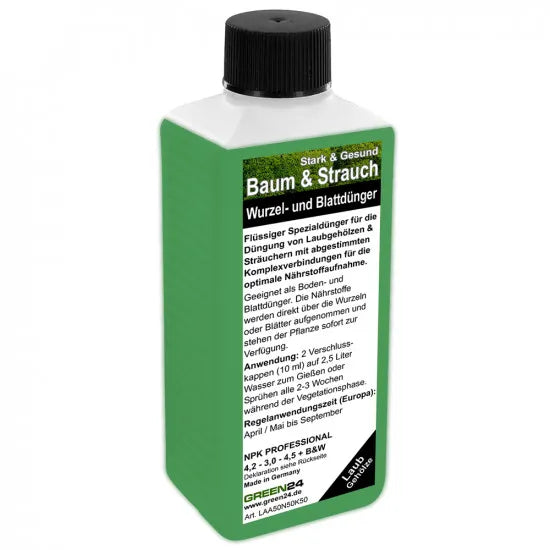
Equipment for the tasks described here. Each product page explains its intended use and application.





Related plants in the catalogue
Keep exploring
Secateurs: choose well and make clean cuts
Good secateurs fit your hand and the job. The right cutting mechanism and a little maintenance make everyday pruning more manageable.
Read the guide
Hedge trimming: match the tool, shape and plant
A dense hedge starts with an appropriate cut. Let leaf size, shoot thickness and the intended shape guide your choice of tools and technique.
Read the guide
Autumn and winter: caring for plants through the cold season
The right winter care starts with the plant. Assess frost tolerance, light and moisture, then prepare garden plants and containers for their particular needs.
Read the guide