
Practical knowledge for your plants
Hedge trimming: match the tool, shape and plant
A dense hedge starts with an appropriate cut. Let leaf size, shoot thickness and the intended shape guide your choice of tools and technique.
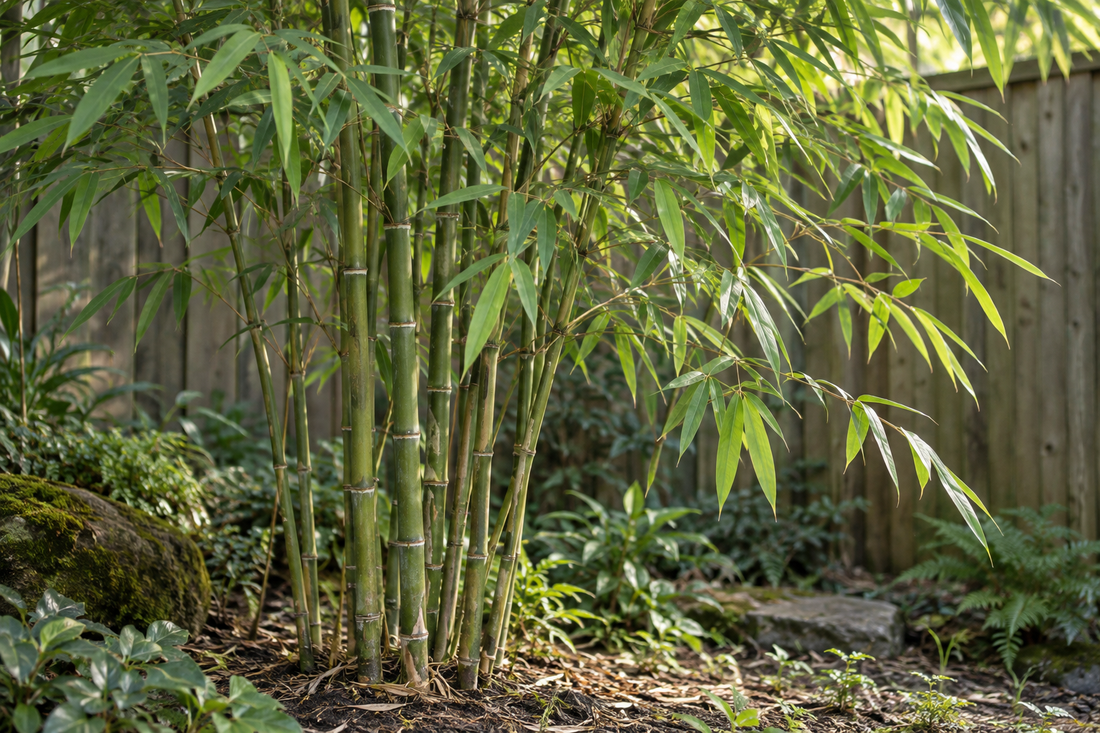
- Plant
- Check how the species responds to pruning
- Tool
- Choose for hedge area and shoot thickness
- Before cutting
- Check for occupied nests
Decide what the cut should achieve
Establishing a young hedge is different from maintaining its outline or rejuvenating an old one. Identify the species and how it responds to pruning first. Many conifers regrow poorly from old, bare wood. Cutting deeply into an over-wide hedge is therefore not a reliable shortcut to a narrower, green result.
Secateurs or a hedge trimmer?
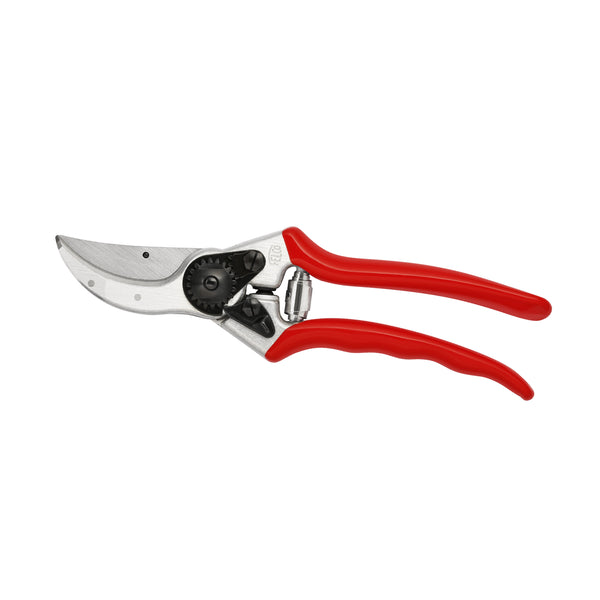
A hedge trimmer cuts many fine shoots along a surface. Thicker individual branches need a tool suited to their diameter. On large-leaved hedges such as cherry laurel, secateurs can shorten individual shoots without slicing through numerous leaves. This takes longer but leaves a less visibly cut leaf surface. Check cutting capacity, weight and handling before you begin.
Check timing and the surroundings
Choose the timing according to species, pruning purpose and local wildlife-protection requirements. Inspect the whole hedge for occupied nests and other animals first; leave an occupied area undisturbed. Consider the weather too. Heavy pruning during heat, drought stress or severe frost can add stress. Allow enough time to work without rushing.
Build the outline with small cuts
Work from a secure position with a clear working area. Use a guide line or step back regularly to assess the result. A slightly broader base allows more light to reach the lower parts of many formal hedges. Remove a little at first and review the shape. Operate powered tools strictly according to their instructions.
Check the hedge afterwards
Remove loose clippings caught among the shoots and check soil moisture in dry weather. Watering or feeding is not automatically necessary after every trim. Base the decision on moisture needs, nutrient supply and season. Clean the blades afterwards. A major rejuvenation project deserves a species-specific plan rather than one drastic pass with the trimmer.
Frequently asked questions
Can I use a hedge trimmer on cherry laurel?
You can, but it leaves many partly cut leaves. For a carefully finished outline, shorten individual shoots with suitable secateurs.
Are secateurs the same as hedge shears?
No. The linked secateurs are intended for individual shoots within their capacity. Hedge shears or trimmers are different tools for cutting a larger surface.
Products for this project
Equipment for the tasks described here. Each product page explains its intended use and application.
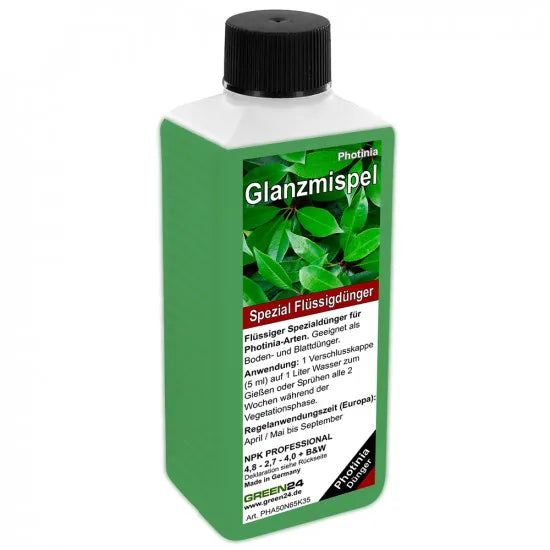
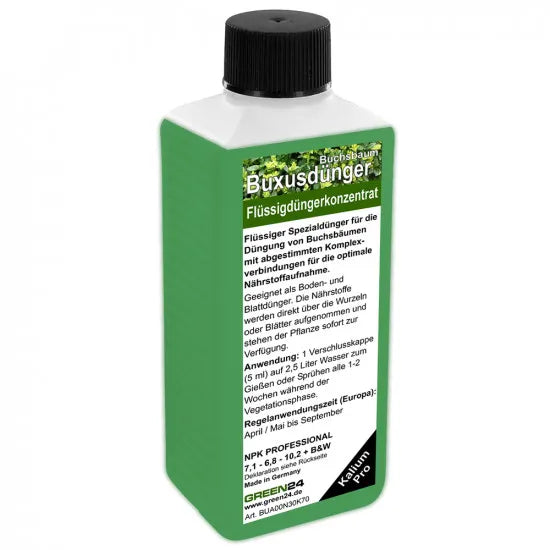
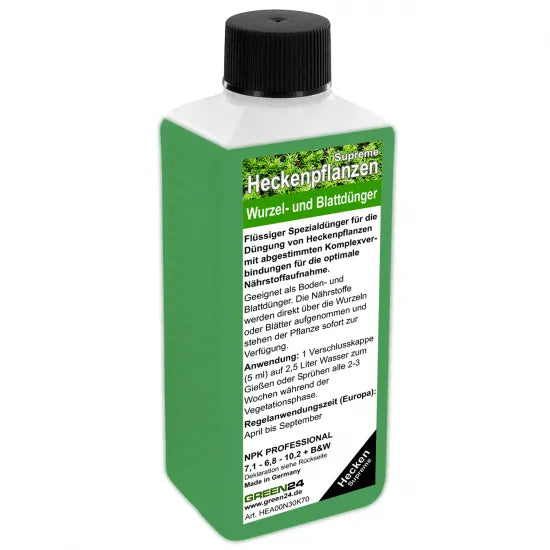
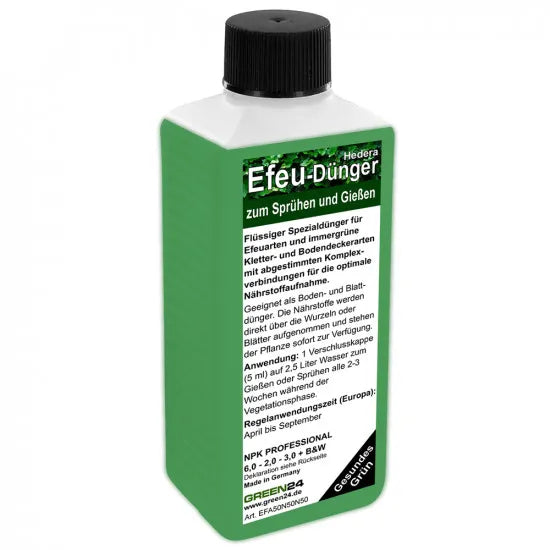
Related plants in the catalogue
Keep exploring
Secateurs: choose well and make clean cuts
Good secateurs fit your hand and the job. The right cutting mechanism and a little maintenance make everyday pruning more manageable.
Read the guidePruning plants: a clear purpose and the right timing
Good pruning starts by looking at the whole plant. Learn the key decisions, then use the plant profile for species-specific timing and technique.
Read the guide
Plant protection: identify the problem, then act
Spots, wilting shoots and yellow leaves are observations, not yet a diagnosis. A clear sequence helps you investigate causes and choose suitable action.
Read the guide