

SPERLI
SPERLI Dill Sari

Couldn't load pickup availability
Item details


Product knowledge
Details, use and guidance
Technical information, use and safety guidance in one place.
Dill for the pot: sow from May to July and harvest from June to October – in sun or partial shade, one portion for around 150 plants.
The story
Origins & history
Dill originally comes from Western Asia and the eastern Mediterranean and was already known in ancient Egypt. The Greeks and Romans valued it, and through monastery gardens it reached Central and Northern Europe. There it is now an indispensable part of the kitchen.
Uses
Dill belongs with cucumber salad, pickled gherkins, fish, potatoes and quark; in Scandinavia it seasons salmon and crayfish. Snip the fine tips fresh and do not cook them with the dish.
Meaning
In medieval folk belief, dill was thought to protect against witchcraft and evil spells; it was hung above doors or carried about. Today it stands rather for the northern summer – for garden parties and fresh cucumbers.
A thought for giving
Dill does not like being transplanted; it thrives best where it germinated. Some roots simply want to be allowed to stay.
At a glance
- Contents: 1 packet for approx. 150 plants
- Botanical name: Anethum graveolens
- Life cycle: annual
- Position: sunny, partial shade
- Suitable for containers: yes (pot)
- Sow indoors: all year round
- Sow outdoors: May–July
- Harvest: June–October
- Sowing depth: 0–0.5 cm
- Germination temperature: 10–20 °C
- Germination time: 14–21 days
- Plant spacing: 5 cm
- Row spacing: 25 cm
- Seed type: loose seed
How to sow
- Sow directly in the pot from May to July; sowing on a windowsill is possible all year round.
- Cover the seeds only very thinly with soil (0–0.5 cm).
- Keep moist at 10–20 °C – germination takes 14–21 days.
- Place in sun or partial shade and thin the seedlings to about 5 cm apart.
Delivery time: 1–2 weeks. Manufacturer: SPERLI GmbH. Seeds, not a plant – the image shows the original packet.
Manufacturer and product information
Manufacturer contact
Use & safety
Please follow the dosage, use and safety instructions in the full product description and on the product label.
View full product instructions →For your plant care
Useful additions & alternatives
Selected accessories, suitable substrates and alternative products. Please check each product’s intended use and instructions.
-
Suitable substrate
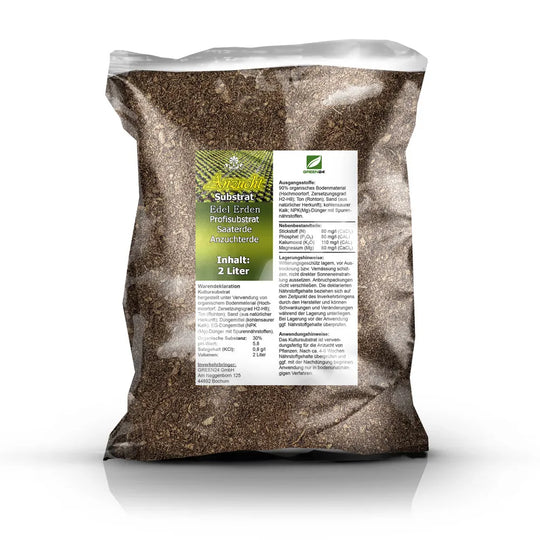
Seed Compost
Fine seed compost for sowing – low in nutrients so seedlings develop strong roots.
View product: Seed Compost →Regular price From 2.50 €Regular priceUnit price ( 1.25 €/ l)€Sale price From 2.50 € -
Suitable substrate
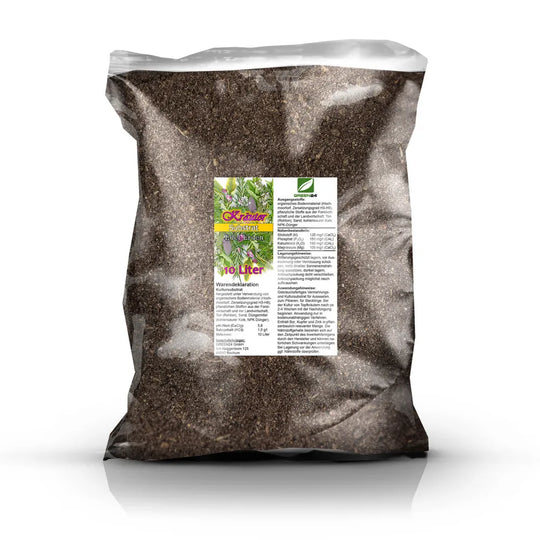
Herb Compost
Herb compost for pots, boxes and raised beds – for potting on the young plants.
View product: Herb Compost →Regular price 8.90 €Regular priceUnit price ( 0.89 €/ l)€Sale price 8.90 € -
Accessory
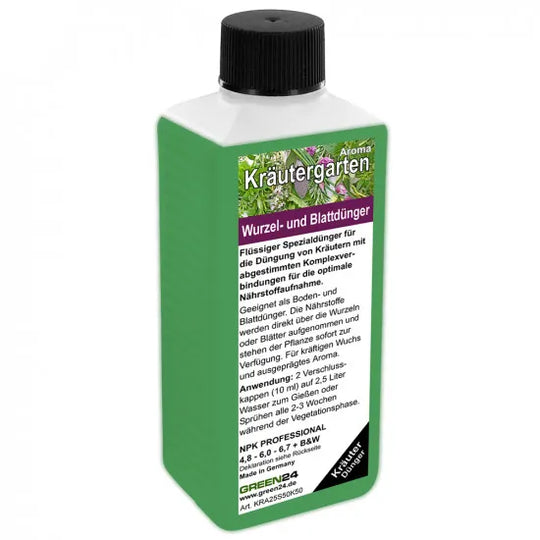
Herb Fertiliser
Herb fertiliser for aromatic, vigorous herbs in pots and beds.
View product: Herb Fertiliser →Regular price From 9.85 €Regular priceUnit price ( 39.40 €/ l)€Sale price From 9.85 € -
Suitable substrate
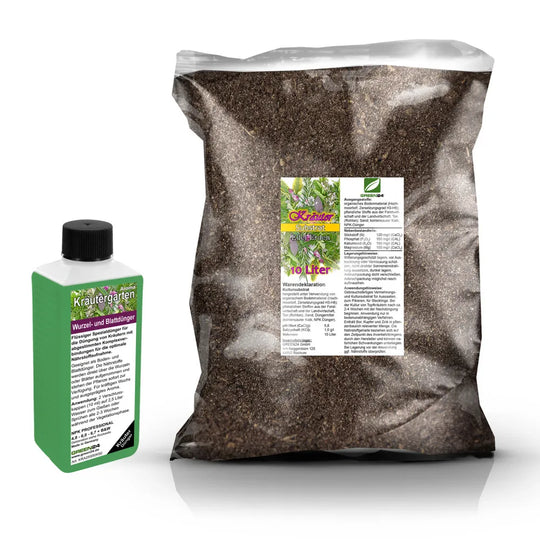
Herb Repotting Set · 10 l compost + 250 ml fertiliser
Herb repotting set: 10 l compost and 250 ml fertiliser in one pack.
View product: Herb Repotting Set · 10 l compost + 250 ml fertiliser →Regular price 15.95 €Regular price€Sale price 15.95 €
