
Practical knowledge for your plants
USDA hardiness zones for Germany & Europe
How cold does it get where you live? Explore weather stations in Germany and Europe, compare USDA half-zones and plan winter care for your plants.
- Measure
- Average annual extreme minima
- Plant
- Distinguish species and growing method
- Containers
- Assess frost risk separately
Explore Germany & Europe
Choose a German weather station or explore winter cold extremes across Europe. Coloured dots classify actual observation records into USDA half-zones. Search for an available station to see its value and all 30 annual minima.
Weather station analysis 1991–2020: Berlin-Dahlem 7b, Helgoland 9a and Zugspitze 5b. The full map includes 272 weather stations in Germany and Europe.
An average of annual extremes
The 2023 USDA map uses the lowest temperature recorded each year during 1991–2020. The average of these annual extremes is considered for each location. This is neither the average winter temperature nor the lowest temperature ever recorded. Individual winters can be considerably colder.
A zone helps put winter cold risk into context. Whether a particular plant survives also depends on its species, cultivar, developmental stage and growing conditions.
Decode the number and letter
Higher numbers indicate milder annual cold extremes. A full zone spans 10 °F, approximately 5.6 °C. Letters a and b divide it into half-zones of 5 °F, approximately 2.8 °C. Zone 8a, for example, runs from 10 to below 15 °F, or approximately −12.2 to below −9.4 °C.
USDA 8a: −12.2 to below −9.4 °C; 10 to below 15 °F.
The lower boundary is included; the upper boundary belongs to the next half-zone. Celsius figures are rounded; exact boundaries are defined in Fahrenheit. The selector explains the scale and does not locate your garden.
Check before overwintering
- Identify the plant: Check species and cultivar. Broad groups such as palms, cacti and hydrangeas do not share one reliable hardiness zone.
- Distinguish growing conditions: An established plant in the ground differs from a young plant or a container specimen. A potted root ball is more exposed.
- Assess the site: Shelter, drainage and suitable winter accommodation belong in the decision.
- Watch the current winter: A climate classification does not replace weather observation or timely protection.
What the zone leaves unanswered
Prolonged freezing, winter wetness, frost after budbreak and wood maturity affect potential damage. A zone rating therefore offers no frost guarantee for containers, young plants or newly emerged growth.
A USDA zone does not measure summer heat or guarantee flowering or yield. The upper end of a listed plant zone range is not an independent heat-tolerance rating either. For seasonal vegetables such as tomatoes, local frost dates and a sufficiently long warm growing season are often more useful.
Further reference: the official US maps
View the USA and Northeast USA
The US overview shows broad geographic differences. The northeastern US map makes regional transitions easier to see. Open the images to enlarge them; the originals retain their full legends and attribution.


Colours represent temperature intervals, rather than state or vegetation boundaries. Both maps show US areas and cannot directly assign a zone to a German garden.
Frequently asked questions
Where can I find my plant’s zone?
The GREEN24 plant catalogue includes USDA guidance in the plant facts and further information under hardiness. For plant groups we list individual species as examples; always compare the botanical name.
Is the temperature range a recommendation for winter accommodation?
No. The USDA scale classifies climates. A suitable overwintering temperature depends on the plant, its light requirements and growing conditions.
Products for this project
Equipment for the tasks described here. Each product page explains its intended use and application.
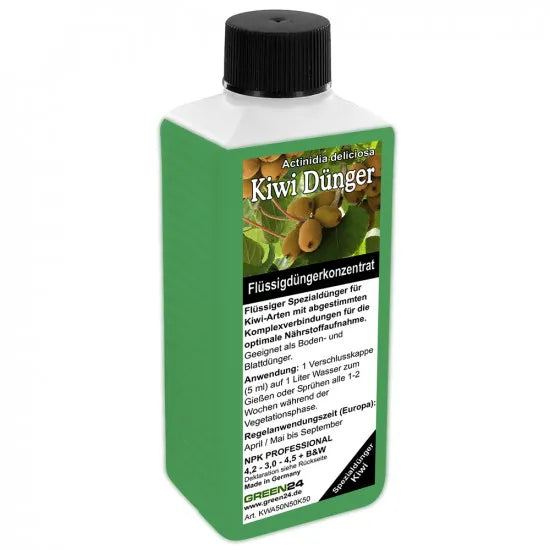
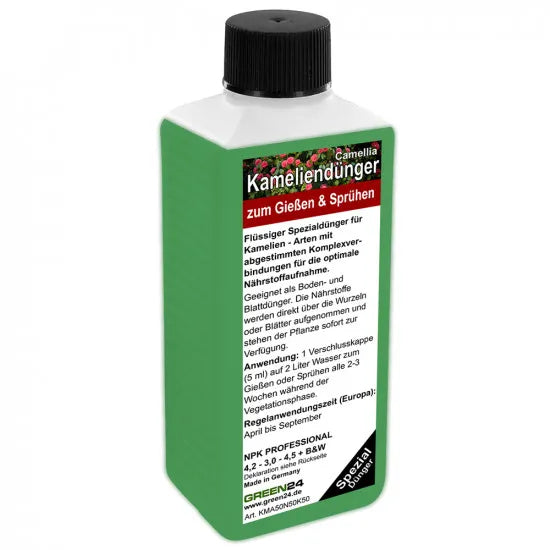
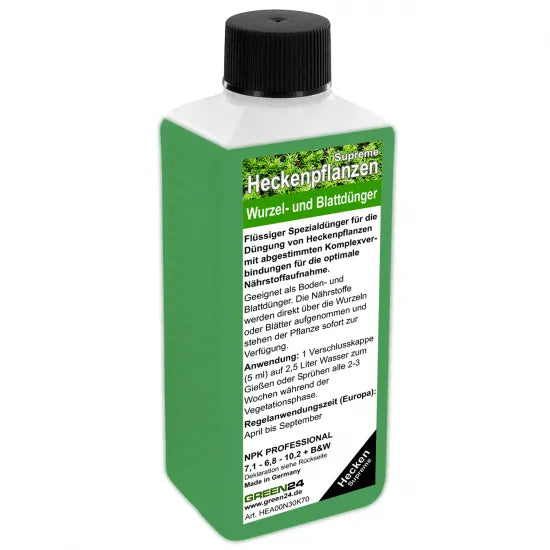
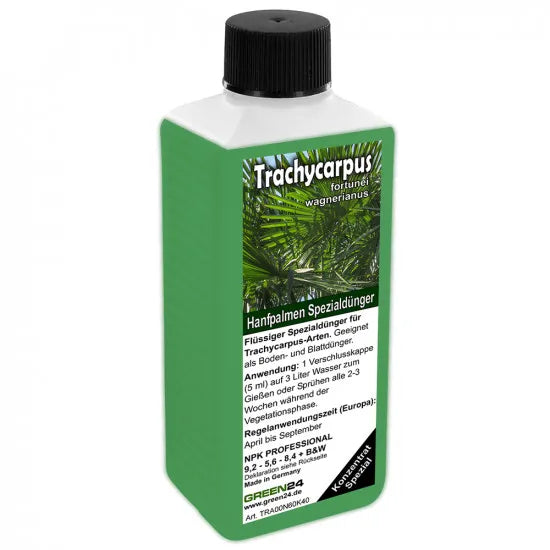
Related plants in the catalogue
Keep exploring

Autumn and winter: caring for plants through the cold season
The right winter care starts with the plant. Assess frost tolerance, light and moisture, then prepare garden plants and containers for their particular needs.
Read the guide
Liebig’s law of the minimum
When a plant barely grows, more fertiliser is rarely the best first response. The law of the minimum focuses attention on what is lacking relative to demand.
Read the guide