Don’t wrap up yet: get your winter protection ready now
Use mild September days to prepare: clean the greenhouse, check containers and drainage, and measure film and fleece – then install protection when frost is forecast.

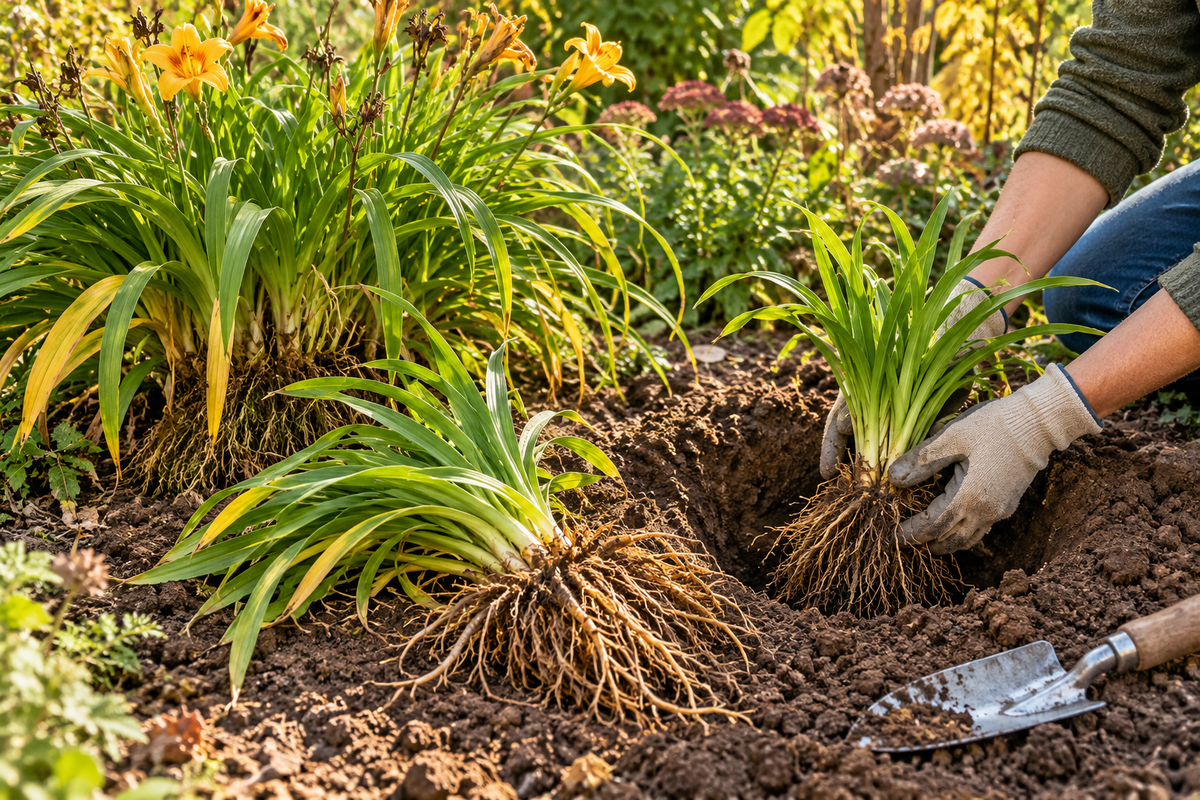
Cover image: AI-generated illustrative image.
A mild September day is a good time to think about winter protection – but not necessarily to wrap everything up at once. Use this quieter period to prepare your greenhouse, plant containers and materials. When frost is forecast, you can act deliberately rather than improvising among cold pots and a jammed vent.
The key distinction is simple: bubble film insulates surfaces and plant containers. A light- and air-permeable garden or winter fleece can provide a cover suited to the plant and weather. Neither material automatically makes a greenhouse or plant frost-free.
Get ready without wrapping too soon
Protective wrapping is useful when cold weather is genuinely approaching. Put it in place at the first sign of frosts; in practical terms, watch the forecast and install it when frost is forecast. Depending on the species, tender container plants may need suitable winter quarters earlier. A single temperature limit for every plant would therefore be misleading.
Clear the greenhouse
Remove leaves, plant debris and pots you no longer need. Check the panes, frame, door, windows and automatic openers. Add damaged or jammed parts to the repair list before insulating material covers them.
Assess each container
Note the plant species and planned winter position. Check whether the pot stands securely, water can drain freely and a sheltered place is accessible. Not every container plant can remain outside.
Measure the material
Measure only the surfaces you genuinely intend to protect later. Plan doors, ventilation openings, drains and access points as clear areas. Label and set aside cut pieces without permanently wrapping the plant yet.
Greenhouses: secure light and air first
Clean glazing admits more light, while removing plant debris leaves fewer hiding places for pests and diseases. Warm water is generally sufficient for basic cleaning. Work safely on surfaces that are easy to reach and never lean against the glazing.
Summer shading can be reduced gradually in September. Even so, a greenhouse can still overheat on sunny days. The door, roof vents and side vents must therefore remain usable after insulation is installed. Bubble film must not block ventilation routes. Test every opening again after fitting it.
Containers: protect the rootball and keep the plant accessible
Roots in containers are more exposed to frost and repeated freezing than roots in open ground. Bubble film can provide an insulating layer around the pot. Do not use it to wrap the crown. Keep drainage and access to the compost surface clear so that you can check moisture and water when needed.
A sheltered position and stable pot feet can be part of your preparation. Remove a saucer if water would collect in it over winter. Whether a plant can remain outdoors and what protection its crown needs depend on the species, cultivar, position and weather.
Film or fleece?
- Insulating film: for greenhouse surfaces and as an insulating layer around plant containers. Keep ventilation, the door, the crown and drainage clear.
- Garden and winter fleece: as a light- and air-permeable cover for suitable beds, plants or containers. Do not fasten it as an airtight wrapping; choose and use it for the specific plant and weather conditions.
Both materials are aids within a winter plan. They do not replace checking a plant’s hardiness or moving it to frost-free winter quarters when required.
Your five-point plan for today
Photograph and measure
Record your greenhouse surfaces and containers, then note their actual dimensions.
Clean and inspect
Remove plant debris, clean accessible glazing and test doors and ventilation windows.
Secure drainage
Check drainage holes, saucers, stability and the intended sheltered position.
Assign the materials
Label cut pieces of film and fleece so you know where each one belongs later.
Wait for the forecast
Install protection when frost is forecast. Then check ventilation, access and fixings once more.
This turns a hurried frosty evening into a manageable task: prepare today, then protect according to the plant and weather.
The cover image is an AI-generated application example; the product images show the materials actually offered.