
Making leafmould: an autumn project worth waiting for
Collect autumn leaves, keep them moist and airy, and give them time: start your own supply of leafmould.

AUTUMN GARDENING · SOIL CARE
A basket of autumn leaves can be the start of a useful garden resource. Making leafmould now means planning beyond this season. The project needs a suitable spot – and, above all, patience.
1. Choose your leaves
Start with clean fallen leaves from your garden. Remove packaging and other litter. Oak, beech and hornbeam leaves are suitable; thick, tough leaves take longer. You can shred those leaves beforehand.
2. Set up a sheltered spot
A simple wire bin keeps the leaves together while allowing air in. Moisten dry leaves, then check occasionally to make sure they are not drying out. This is a dedicated leaf collection, rather than a mixed compost heap of kitchen and garden waste.
3. Let maturity guide you
Fine leafmould develops slowly: think in terms of roughly two years rather than a few weeks. Leaf type and conditions affect the pace. Partly decomposed material can already be used as mulch; finer material takes more patience. Leafmould is a soil conditioner, not a nutrient-rich fertiliser.
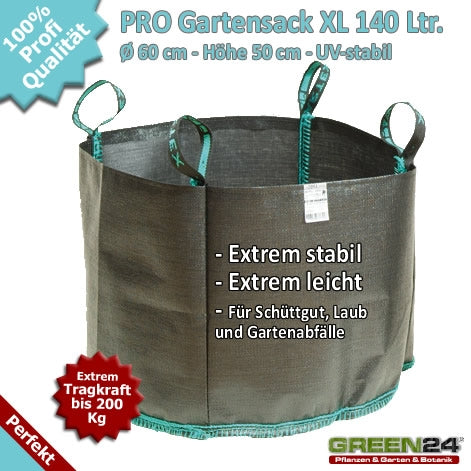
Make a start today: Choose a spot, collect leaves, moisten them if needed and note the start date. The garden sack handles the journey; decomposition takes its own time.


